What homeowners can handle safely
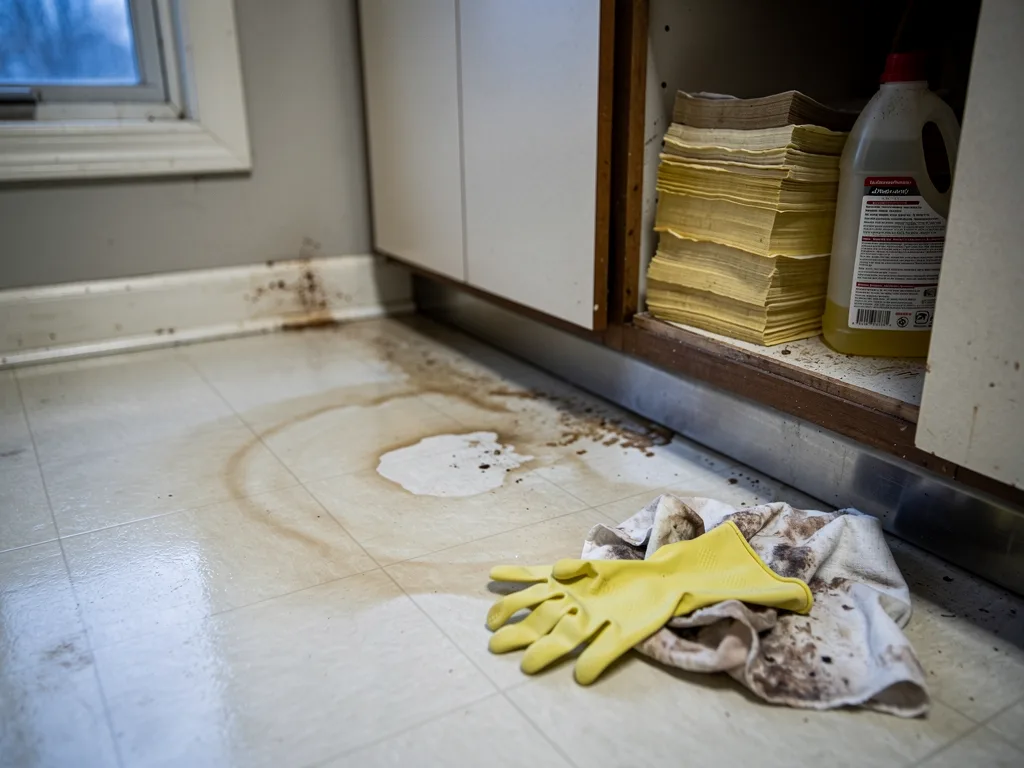
Some minor cleaning tasks, like removing visible debris with gloves and disposing of waste according to local rules, can be done by a homeowner. But when it comes to biohazard cleanup, you need expert guidance. Do not attempt to clean or scrub areas that may be contaminated. Improper handling can spread contaminants or create new safety risks for your family.
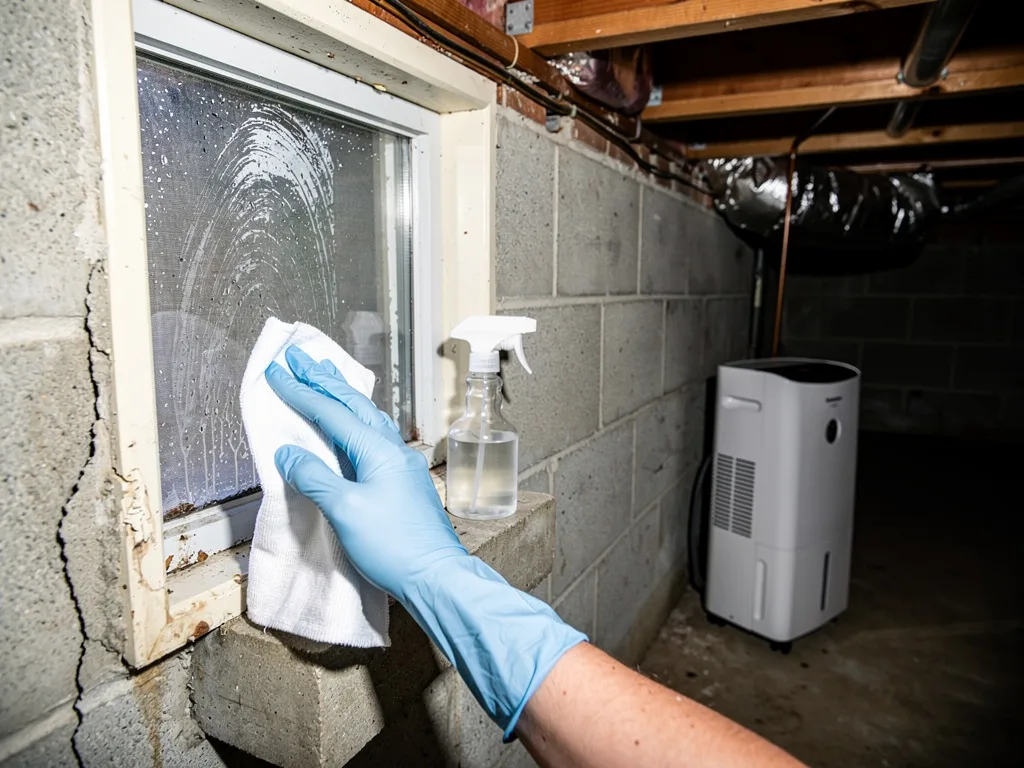
Simple, non-porous surface cleaning that does not involve unknown residues might be okay with basic PPE. The key is to know your limits and the risks involved. In Michigan homes, seasonal moisture and ventilation issues can complicate acceptable DIY tasks, so approach this with caution.
When a professional should be involved
If you encounter bodily fluids, significant odors, blood, or suspected mold growth, a biohazard remediation technician should step in. The presence of porous materials that can absorb contaminants, like carpeting, insulation, or drywall, typically requires professional removal and decontamination. A professional will establish containment to protect others in the home and prevent cross-contamination to other rooms.
Professional crews bring specialized equipment and protocols. They follow containment procedures to limit exposure, use appropriate personal protective equipment, and apply waste disposal methods that comply with Michigan regulations. This is not an area to improvise.
Decision points for Michigan households
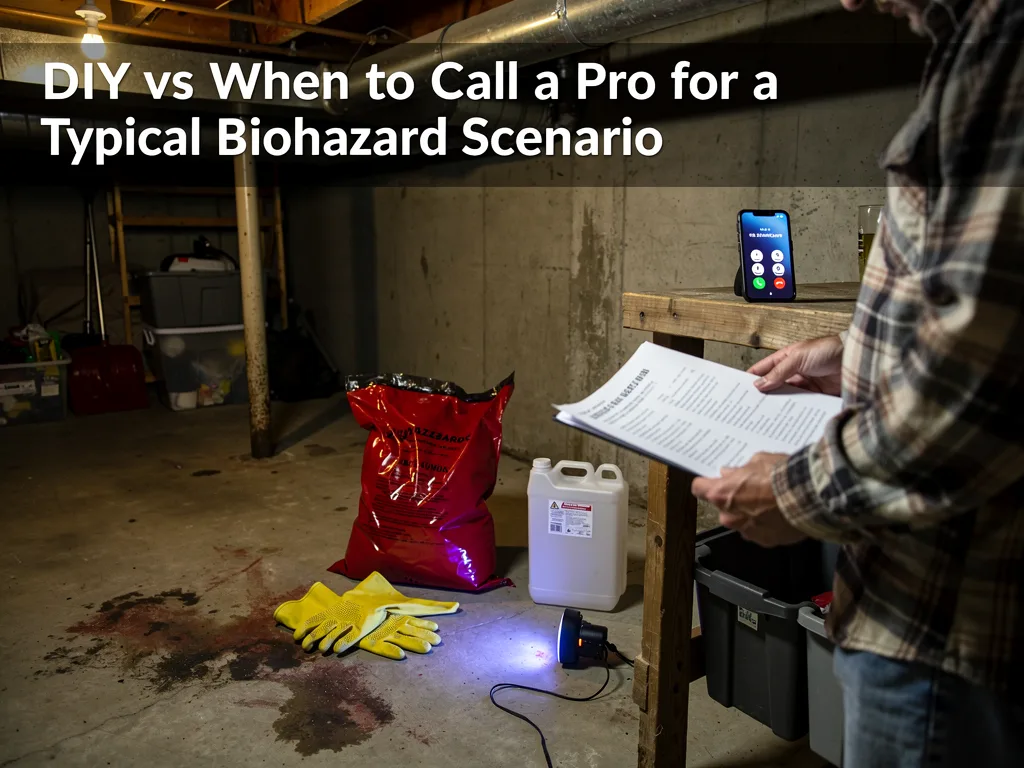
Ask yourself: Is there persistent odor, visible contamination, or moisture that seems to be spreading? Is there a risk to children, elderly residents, or anyone with a compromised immune system? If yes, call a biohazard remediation technician. A quick assessment often reveals whether limited cleaning is enough or a full remediation is necessary.
Biohazard Cleanup Michigan Pros offers a straightforward phone consultation. They can explain the scope, the steps involved, and a realistic timeline. The goal is practical action, not fear, and to keep your home safe as efficiently as possible.
Practical tips for Michigan homeowners
Keep a written record of observations, including dates and odors you notice. Photograph areas before any cleanup so you have a reference. If possible, identify all rooms affected and any moisture sources. These details help a biohazard remediation technician plan the work accurately in Michigan homes.